


Plant Overview
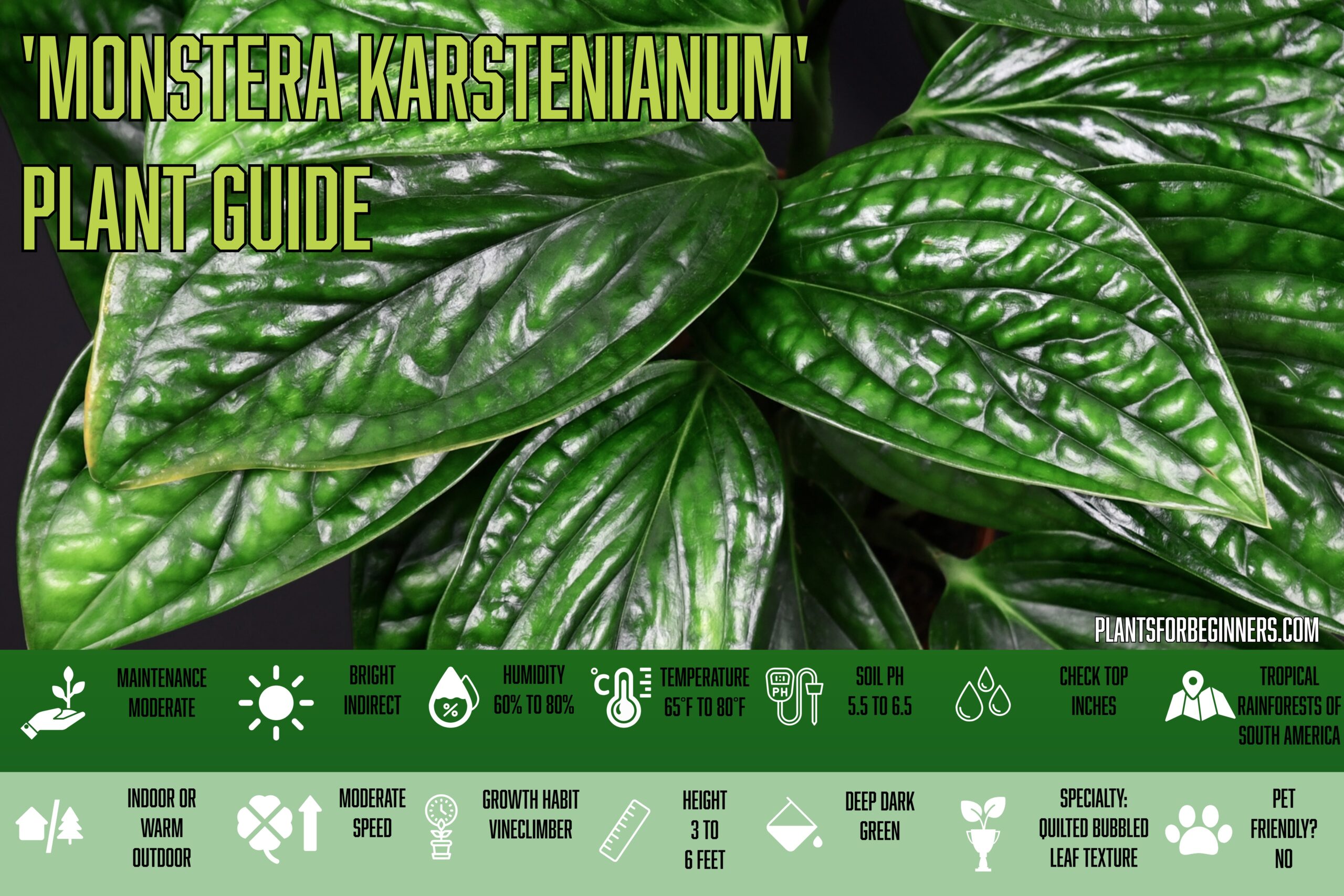
The distinct monstera peru captivates plant enthusiasts with its rigid, highly puckered leaves that feature a striking, quilted texture and deep metallic green sheen. Cultural heritage highlights its evolutionary niche within dense rainforest canopies, where its thick, leathery foliage withstands intense tropical downpours and low-light understory conditions. Unlike its fenestrated cousins, this unique species rarely develops holes or splits, choosing instead to showcase an undulating, embossed surface pattern. Modern interior collectors prize its compact growth habit and rugged durability as a stunning terrarium or vertical moss pole specimen.
Native to the humid forest floors and lower tree trunks of South and Central America, the plant evolved stiff, succulent-like leaf cells to store vital moisture during dry spells. This specialized cellular structure protects the vine from physical damage while allowing it to scramble upward along rough bark surfaces. Integrating this remarkable climber into modern home decor brings an authentic touch of tropical jungle architecture to indoor living spaces.

Quick Facts
| Plant Metric | Profile Data |
| Binomial Plant Name | Monstera karstenianum (commonly traded as Monstera ‘Peru’) |
| Type | Compact Climbing Tropical Epiphyte |
| Genus | Monstera |
| Pronunciation | mon-STER-uh kar-sten-ee-AH-num |
| Meaning Behind Name | Named in honor of the German botanist Gustav Karl Wilhelm Karsten, paired with the trade descriptor Peru. |
| Nicknames | Karsten’s Monstera, Shingle Plant, Bubble Leaf |
| Commonly Confused With | Epipremnum pinnatum ‘Skeleton Key’ or juvenile Philodendron species featuring thick, rigid foliage. |
| Variants of Plant | Selected clones displaying enhanced leaf puckering and deeper metallic sheen |
| Hybrid | Natural species native to South and Central American tropical rainforest canopies |
| Temperature | 65°F to 80°F (18°C to 27°C) |
| Light | Filtered, bright ambient sunlight avoiding harsh scorching beams |
| Watering | Allow the upper several inches of substrate to dry out between deep soaking sessions |
| Humidity | 60% to 80% moderate to high relative humidity |
| Soil pH | 5.5 to 6.5 |
| Blooming Season | Inflorescence occurs rarely on mature specimens under greenhouse cultivation |
| Lifespan | Multi-decade indoor vine longevity with proper structural support |
| Growth Speed | Steady, manageable climbing development producing heavily textured leaves annually |
| Pet Friendly | No (Toxic due to needle-like calcium oxalate crystals) |
Native Climate (Indoor Placement)
Tropical rainforest ecosystems across Central and South America supply the warm ambient temperatures, dappled canopy light, and high relative humidity that shaped this vine’s biological requirements. Replicating these protective woodland conditions indoors guarantees that the stiff foliage retains its dark metallic color and deep quilted texture. Strategic room placement shields the sensitive cellular matrix from thermal stress while optimizing daily energy absorption.
- Window Orientation: Bright east-facing windows or unobstructed western glass shielded by sheer curtains deliver optimal indirect light levels.
- Deep Room Placement: Indoor areas lacking natural sunlight require high-output horticultural LED panels mounted directly overhead to prevent weak, leggy stems.
- Temperature Ranges: Maintain indoor thermometer readings steadily between 65°F and 80°F (18°C to 27°C) to support active year-round metabolism.
- Winter Minimums: Never expose the foliage to surrounding air dropping below 55°F (13°C) to avoid severe cold shock and tissue collapse.
- Draft Warnings: Keep the container away from active heating vents, drafty entryways, and oscillating air conditioning fans.
Care & Seasonal Maintenance ( Water & Light)
Managing internal hydration mechanics requires analyzing how quickly moisture evaporates through the rigid leaf surface and chunky potting substrate. Because this tropical climber grows steadily during warmer months, its root cells demand consistent subsurface moisture without becoming waterlogged in stagnant mud. Rigid calendar watering routines fail because indoor humidity and seasonal heating shifts alter evaporation rates constantly.
Deep, structural irrigation cycles saturate the entire root ball thoroughly, washing away accumulated mineral salts and pulling fresh oxygen down into the lower substrate. Pour water slowly over the potting mix until it streams freely from the bottom drainage holes, and always empty any standing saucer runoff immediately. This thorough flushing technique prevents root rot and ensures the root network maintains optimal aerobic conditions.

Lighting Thresholds for Monstera Peru
Sufficient illumination intensity drives the complex biochemical processes required to maintain deep green leaf pigmentation and highlight the signature quilted bubble texture. When ambient photon levels drop too low, new leaves emerge smaller, lose their metallic sheen, and vine growth stretches weakly toward distant light sources. Conversely, unfiltered afternoon sun delivers excessive thermal radiation, instantly scorching the chloroplastic layers and leaving permanent brown burn spots across the thick lamina.
Seasonal Adjustments for Monstera Peru
- Spring and Summer (Active Growth): Deliver a thorough watering every time the top two inches of soil dry out completely, and apply a balanced liquid houseplant fertilizer diluted to half strength every three weeks to fuel steady vine expansion.
- Autumn and Winter (Dormancy): Scale back watering frequencies as natural daylight hours shorten and cooler temperatures slow down metabolic activity, halting all fertilization until spring returns.
Repotting Guide (Step by Step)
The moderate root network of this tropical climber expands at a manageable pace, requiring a container upgrade every twenty-four months during early spring. Restraint is unnecessary when evaluating root confinement because giving the plant adequate room encourages larger leaf sizes and faster vertical climb rates. Transitioning into a slightly larger pot ensures healthy root branching and optimal structural balance.
Substrate Mix Matrix for Monstera Peru
Standard garden soil packs down tightly and suffocates the thick roots, making an exceptionally porous, chunky blend mandatory:
- Coarse Peat Moss: Organic moisture retention component holding balanced hydration without compacting.
- Horticultural Perlite: Inorganic aeration element creating microscopic channels for oxygen flow.
- Composted Pine Bark: Structural anchor preventing soil breakdown and ensuring rapid drainage.

How to Repot Your Monstera Peru
Spring represents the premier season for container transitions because the plant possesses maximum biological recovery energy.
- Select a heavy nursery container that is one size larger than the current pot, featuring wide bottom drainage slots, and gently tilt the plant sideways to slide out the root ball.
- Massage the root mass gently to loosen tightly bound outer fibers and brush away old, exhausted soil particles.
- Examine the underground network closely, using sterilized pruning shears to snip away any damaged or decaying root sections.
- Add a foundational layer of the custom chunky substrate mix to the base of the new container, center the plant alongside a sturdy moss pole, and fill the perimeter gaps evenly.
- Settle the fresh medium with a moderate watering session, place the plant in a bright recovery area, and pause all fertilizer applications for six weeks.
Propagation Guide (Step by Step)
Multiplication for this species is exceptionally reliable because every main stem features prominent node swellings and aerial roots capable of generating new growth shoots. Executing these vegetative steps allows experienced growers to produce independent clones while keeping the primary mother vine strong and balanced.
Method 1: Stem Cuttings in Water or Sphagnum for your Monstera Peru (Fastest Results)
Isolating active vine segments containing a node offers a dependable path to expand a collection.
- Identify a healthy section of the main vine featuring at least one visible node and an aerial root, then make a clean cut using sanitized shears.
- Set the fresh cutting aside for several hours to let the wound callus over completely, blocking potential pathogens.
- Place the cut end into a vase of clean water or a propagation chamber filled with pre-moistened sphagnum moss.
- Position the setup in a warm area receiving bright, indirect ambient light while changing water weekly if using the water method.
- Monitor for robust root development until secondary roots reach two inches long, then transplant the new specimen into a dedicated aroid pot.

Method 2: Air Layering for your Monstera Peru (The Patient Approach)
Targeting established vertical stems while they remain attached to the root system provides a foolproof way to generate new growth without risking the mother vine.
- Pinpoint a healthy, active node positioned midway up the primary climbing stem.
- Pack a generous handful of damp sphagnum moss firmly around the target node, wrapping it securely with protective plastic sheeting and twine.
- Maintain interior moisture levels inside the moss pouch by injecting clean water using a blunt syringe whenever the media feels dry.
- Inspect the wrapping periodically until a dense network of healthy white roots fills the moss ball.
- Cut the main stem cleanly just below the newly developed root mass, then pot the independent clone into fresh substrate.
Common Pests (Identification & Treatment)
Physical stress manifests quickly across the rigid leaves through sudden yellowing, sticky residue, or localized spotting patterns. Catching these initial biological alerts prevents minor pest incursions from turning into full-scale infestations that threaten plant health. Maintaining clean foliage surfaces and strong indoor air circulation deters most common household bugs naturally.
Monstera Peru: Visual Symptom Table
| What You See | The Underlying Issue | The Instant Fix |
| Crispy leaf tips | Inadequate indoor humidity or salt buildup | Increase ambient moisture and flush soil with pure water |
| Lower yellowing leaves | Over-saturated root zone or natural aging | Allow soil to dry deeper and prune expired foliage |
| Faded, stippled leaves | Active spider mite feeding activity | Wipe down all leaf blades using insecticidal soap |
| Sticky honeydew residue | Scale insect or mealybug infestation | Apply 70% isopropyl alcohol directly with a cotton swab |
| Soft, mushy stem base | Pythium root rot from waterlogging | Excise infected tissues and repot in fresh dry medium |

Identification & Treatment of Key Pests of Monstera Peru
Routine foliage inspections catch unwanted insects early, while gentle organic treatments protect delicate plant tissues from chemical damage.
Spider Mites: These microscopic arachnids thrive in warm, dry indoor spaces, spinning fine webs and draining cellular sap to cause stippled yellowing.
- The Fix: Wash the entire leaf structure thoroughly under lukewarm water and apply organic horticultural oil spray across all surfaces every week.
Scale Insects: These stationary pests anchor along main leaf stems and trunk crevices, secreting sticky honeydew while weakening the plant.
- The Fix: Apply isopropyl rubbing alcohol directly to individual scale covers using a cotton swab to break down their protective shells.
Mealybugs: These cottony white insects cluster tightly within deep leaf stems and growth nodes, stunting new foliage development.
- The Fix: Scrub infested crevice zones thoroughly using a cloth dampened with a mild organic insecticidal soap solution.
Tools & Gear (Recommendations)
Standard household tools and generic compact soils will stunt or damage this magnificent tropical specimen, making professional accessories essential for optimal care. Investing in durable, plant-specific gear ensures clean pruning cuts and rapid recovery cycles across your indoor collection.
- Heavy-Duty Pruning Shears: The hardened carbon steel blades deliver clean, effortless cuts through thick stems and woody growth nodes.
- Professional Aroid Substrate: This specialized chunky medium replicates tropical forest floors, ensuring unmatched aeration and root drainage.
- Sturdy Moss Totem Pole: This structural support asset encourages natural vertical climbing habits and larger mature quilted leaf development.
- Digital Soil Moisture Meter: This precision measurement tool removes guesswork by verifying internal pot moisture levels down at the root base.
Frequently Asked Questions for Monstera Peru (FAQ)
FAQ
This condition typically signals inadequate light exposure or a lack of sufficient nutrient intake during active growth cycles. Move the container closer to a bright light source and provide a balanced fertilizer routine.
You can place the container outdoors in a protected, shaded patio location once night temperatures remain consistently above 60°F. Bring the plant back indoors well before autumn weather cools down.
Wipe the foliage gently using a soft, damp microfiber cloth to clear away dust and keep breathing pores clear. Avoid commercial leaf-shine products because they clog stomata and damage cellular tissues.
No, this plant is toxic to household pets. According to the ASPCA database, ingestion of any plant part causes immediate oral pain, intense burning, excessive drooling, and swallowing difficulty due to calcium oxalate crystals.
References (Citations)
Expand
Royal Botanic Gardens Kew: Complete taxonomic tracking, geographical distribution data, and synonym verification are officially documented by the Royal Botanic Gardens, Kew Plants of the World Online Database.
University of Florida Extension: Tropical growth parameters, soil composition standards, and landscape acclimatization guidelines are certified by the University of Florida Extension horticultural publications.
Missouri Botanical Garden: Indoor maintenance protocols, pest control sequences, and botanical identification profiles are supported by the Missouri Botanical Garden plant care center.
ASPCA Animal Poison Control Center: Animal safety classifications and toxicology records validating pet consumption risk factors are certified via the ASPCA Toxic and Non-Toxic Plants Database.