
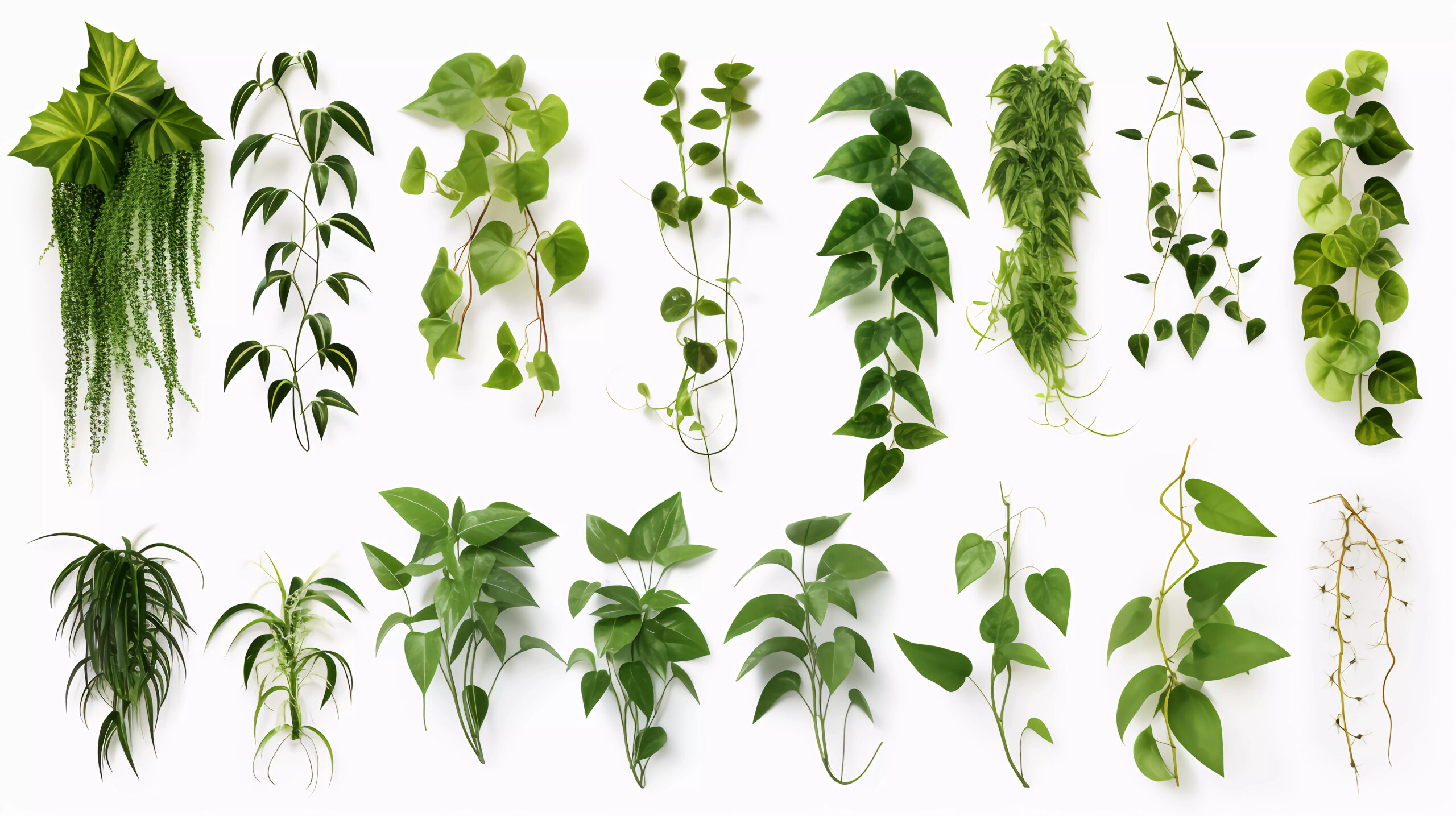
Table of Contents: Syngonium

Genus Overview: Syngonium
The genus Syngonium represents a fascinating group of tropical evergreen climbing plants belonging to the arum family. Containing approximately thirty-five recognized species, these plants exhibit remarkable developmental plasticity in their foliage over time. Their general physical form transitions from compact juvenile arrowhead shapes to deeply lobed, mature climbing adult structures. They are horticulturally notable for their exceptional adaptability as indoor foliage plants, thriving in diverse light and humidity conditions.
Quick Facts: Syngonium
| Feature Focus | Botanical Specification | Practical Significance |
| Family | Araceae | Belongs to the aroid family characterized by distinctive spadix and spathe inflorescences. |
| Common Name | Arrowhead Plant | Named for the characteristic shape of juvenile leaves resembling arrowheads. |
| Total Species | Around 35 Species | Comprises diverse evergreen climbing vines native to tropical American rainforests. |
| Native Range | Central and South America | Thrives naturally within humid tropical lowlands and dense forest understories. |
| Growth Habit | Hemiepiphyte Vine | Climbs tree trunks using aerial roots, enhancing vertical indoor garden displays. |
| Root Type | Adventitious Roots | Develops nodes along stems to anchor onto bark and absorb ambient moisture. |
| Foliage Type | Polymorphic Leaves | Transitions dramatically from simple arrowhead juvenile leaves to deeply lobed adult forms. |
| Stem Structure | Herbaceous to Semi-woody | Flexible trailing stems allow for efficient space utilization in hanging baskets. |
| Light Preference | Bright Indirect Light | Perfect for shaded indoor spaces away from direct, scorching sun exposure. |
| Habitat Type | Rainforest Understory | Prefers organic-rich, well-draining soils found beneath dense tropical canopies. |
| Moisture Need | Moderate to High | Requires consistent soil moisture with brief drying periods between waterings. |
| Flower Placement | Lower Axils of Stems | Blossoms emerge near the base of mature climbing stems close to roots. |
| Flower Form | Spadix Enclosed in Spathe | Classic aroid inflorescence structure offering subtle ornamental appeal. |
| Pollination Mode | Insects | Attracts specialized local forest pollinators like small beetles and flies. |
| Toxicity Profile | Toxic to Pets and Humans | Contains calcium oxalate crystals requiring careful placement away from pets. |

Botanical History and Discovery
The botanical history of the genus dates back to its formal establishment by Heinrich Wilhelm Schott in 1819. The Greek etymology derives from syn meaning together and gone meaning reproductive organ, referencing the fused ovaries of the flowers. Scientific discovery and collection numbers for the genus have expanded steadily as botanical expeditions explored deeper into Central and South American rainforest territories over the centuries.

100 Recognized Species of Syngonium
- aditum
- albolineatum
- angustatum
- angustifolium
- aurea
- auritum
- barium
- batesii
- bifolia
- bifurcatum
- biquadratum
- brevispathum
- carlsoniae
- castellanosii
- chiapense
- ciliare
- coeruleum
- congestum
- cordatum
- coriaceum
- cuneatum
- dendrophilum
- diffusum
- discolor
- eburneum
- erythrophyllum
- fagifolium
- foetidum
- foveolatum
- fruticosum
- galeatum
- geniculatum
- glabrum
- goudotii
- gracile
- grandifolium
- hastatum
- helleri
- hoffmannii
- horridum
- hylaeum
- imperiale
- inclusum
- insigne
- krebsii
- lanceatum
- lanceifolium
- leptophyllum
- lineatum
- littorale
- lucidum
- luteum
- macrophyllum
- mauroanum
- maxillatum
- mexicanum
- microphyllum
- mirabile
- monophyllum
- monteverdeense
- multisectum
- myriophyllum
- narcissoi
- nemorosum
- nidus
- oblongum
- obtusilobum
- odolonense
- ornatum
- pachyphyllum
- pallidum
- panduriforme
- pedatum
- peltatum
- pentaphyllum
- pittieri
- podophyllum
- pohlii
- prainianum
- proserpinacum
- pteridophyllum
- pubescens
- pumilum
- quadrangularis
- quercifolium
- radiatum
- regelianum
- renifolium
- repens
- reticulatum
- rhomboideum
- robertii
- saundersii
- scandens
- Schottianum
- sellowianum
- serpens
- spruceanum
- steyermarkii
- sublaeve
- subnudum
- tenue
Special Biological Adaptation: Ontogenetic Lead Polymorphism
The genus Syngonium exhibits a fascinating evolutionary trait known as ontogenetic leaf polymorphism, where the plant dramatically changes its leaf shape as it matures and climbs higher into the tree canopy. Juvenile plants produce simple arrowhead-shaped leaves near the dark forest floor, while mature climbing vines develop deeply lobed, multi-part leaves as they encounter stronger sunlight. This dynamic physical transformation allows the plant to maximize light capture at different forest strata without expending excess energy maintaining a single unchanging structural design.

This specific biological adaptation functions mechanically through differential cellular growth and hormone signaling triggered by environmental light intensity and physical contact with a host tree. When the aerial roots successfully latch onto bark, the plant receives chemical and physical cues that accelerate vertical elongation and alter leaf blade morphogenesis. This developmental shift is critical to the long-term survival, reproduction, and resilience of the plant genus in its native geographical range because reaching the bright upper canopy is essential for triggering flower production and completing the reproductive cycle.
Ethnobotany, Human Use, and Regional Significance
Indigenous communities within the native ranges of Central and South America historically and culturally interact with these plants for various traditional applications and medicinal practices. Ethnobotanical records indicate that certain species were utilized in local remedies to treat cutaneous ailments or reduce inflammation from insect stings. Furthermore, the trailing vines held symbolic value in regional folklore, often representing resilience and adaptability due to their aggressive climbing nature and persistent growth habits.

Modern and historical human uses include artisanal craftsmanship and structural utility, where flexible stems are woven into baskets or cordage by local artisans. Although not typically used for food due to toxic compounds, the resilient fibers of mature stems offer reliable material for rustic handicrafts. Regional communities also harvest these decorative plants for traditional ceremonies and botanical displays, celebrating their natural beauty and ecological abundance.
Frequently Asked Questions
Inadequate light levels or compacted soil are the primary culprits behind stalled plant growth. Insufficient illumination prevents the foliage from producing enough energy through photosynthesis, while heavy soil suffocates delicate root systems. Relocate the plant to a brighter spot with indirect light and refresh the potting mix to stimulate new growth.
Yes, you can place the plant outdoors during warm spring and summer months. Position the container in a heavily shaded patio area or under a covered porch to protect the delicate foliage from direct midday sun. Bring the plant indoors immediately once nighttime temperatures drop consistently below fifteen degrees Celsius to prevent cold damage.
Wipe the leaves gently using a soft, damp microfiber cloth moistened with lukewarm water. Support the underside of each leaf with one hand while wiping away accumulated dust from the top surface to keep breathing pores clear. Avoid commercial leaf shine oils entirely because they clog stomata and permanently damage plant tissues.
No, the plant is toxic to cats, dogs, and horses according to the ASPCA database. Ingestion causes immediate clinical symptoms including oral irritation, intense burning of the lips and tongue, excessive drooling, and difficulty swallowing. Keep all trailing varieties safely elevated on high shelves or hanging baskets away from curious pets.
Citations and References
Expand
- Missouri Botanical Garden: Detailed information on accepted taxonomic nomenclature, global distribution mapping, and botanical history. Missouri Botanical Garden Link
- Royal Botanic Gardens Kew: Comprehensive database documenting species counts, phylogenetic relationships, and native tropical collection records. Kew Science Plants of the World Online
- ASPCA Animal Poison Control Center: Authoritative safety database detailing household toxicity metrics, ingestion symptoms, and pet safety guidelines. ASPCA Toxic and Non-Toxic Plant List