
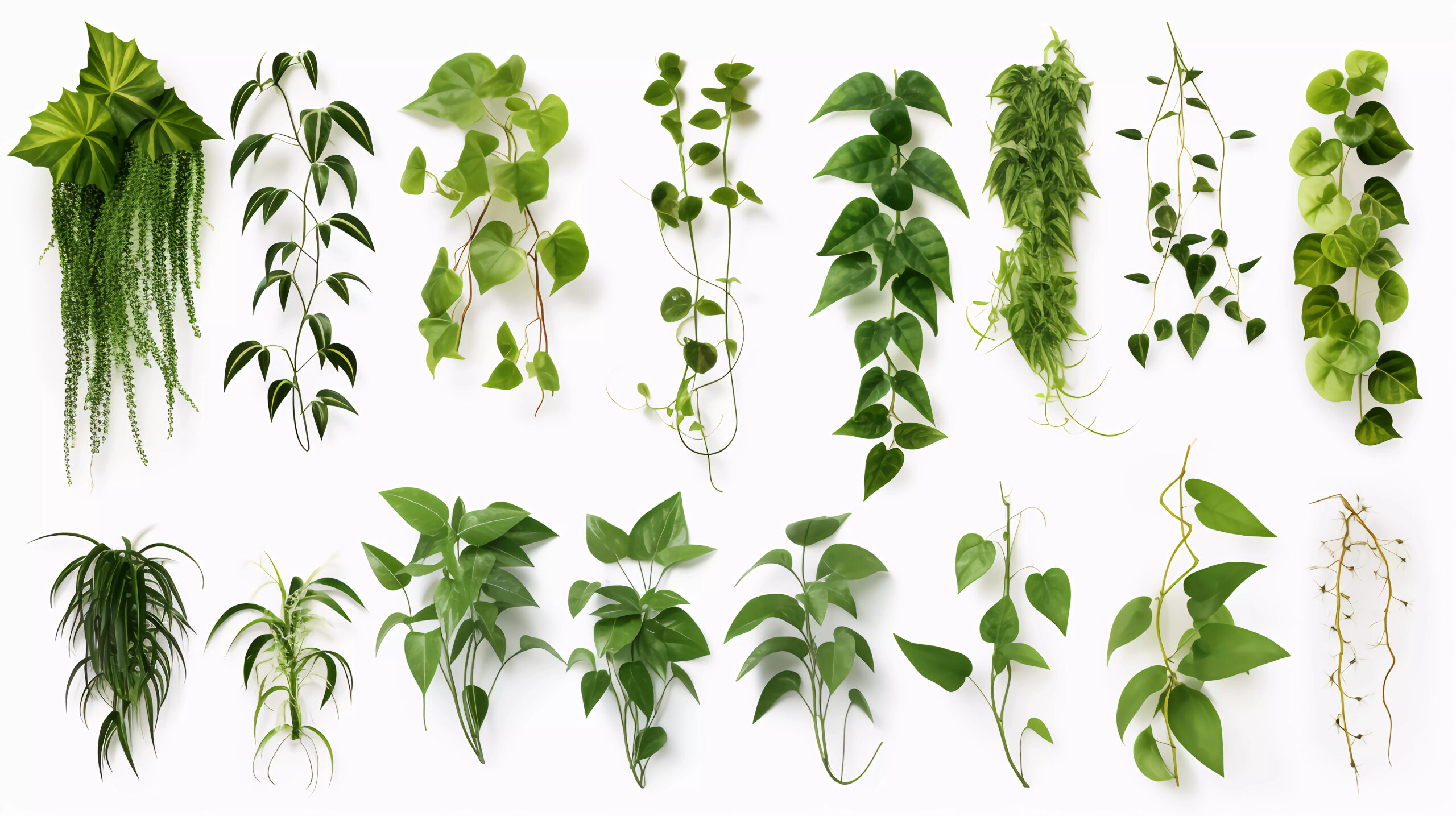

Table of Contents: Plant Genera
Understanding Plant Genera
The genus (plural: genera) is a crucial rank in the biological classification system, sitting directly above species and below family. When you look at a plant’s scientific name, such as Aspidistra elatior, the first word represents the genus. Grouping plants into genera helps botanists and gardeners understand evolutionary relationships, as members of the same genus share a close common ancestor and exhibit highly similar structural characteristics.
Recognizing a plant’s genus provides immediate, practical benefits for everyday plant care and cultivation. Because species within a specific genus evolved under similar environmental pressures, they frequently share identical needs for light, watering, soil type, and temperature. Mastering the traits of a few key genera allows you to accurately predict how to care for hundreds of different individual plant species, even if you have never grown them before.
Why do plant names change?
Botanists traditionally grouped plants by how their flowers looked. Today, scientists use modern DNA sequencing to study plants. If DNA testing proves a plant is closely related to a different group, its genus name is updated to reflect its true family tree. This is why you will sometimes see the exact same plant sold under two different names (like Sansevieria and Dracaena).

Aspidistra
Common Name: Cast iron plants.
Key Traits: Extremely tough, leathery foliage, and exceptional tolerance for low light and neglect.
Famous Species: Aspidistra elatior (the classic bar-room plant).

Begonia
- Common Name: Begonias.
- Key Traits: Asymmetrical leaves, vibrant patterns, and distinct varieties grown for either flowers or foliage.
- Famous Species: Begonia rex (Painted-leaf begonia).

Calathea (Goeppertia)
Common Name: Prayer plants.
Key Traits: Striking, colorful leaf patterns that fold upward at night in response to light changes.
Famous Species: Calathea makoyana (Peacock plant).

Ficus
Common Name: Fig trees and vines.
Key Traits: Woody stems, milky sap (latex), and a reputation for being sensitive to environmental changes.
Famous Species: Ficus lyrata (Fiddle-leaf fig) and Ficus elastica (Rubber plant).

Monstera
Common Name: Swiss cheese plants.
Key Traits: Iconic fenestrated leaves (holes in the foliage) and a vigorous climbing growth habit.
Famous Species: Monstera deliciosa and Monstera adansonii.

Philodendron
Common Name: Philodendrons.
Key Traits: Diverse growth forms split into vining types and self-heading (clump-forming) types.
Famous Species: Philodendron hederaceum (Heartleaf philodendron).

Pothos (Epipremnum)
Common Name: Devil’s ivy.
Key Traits: Heart-shaped leaves on trailing vines that are incredibly easy to propagate in water.
Famous Species: Epipremnum aureum (Golden pothos).

Sansevieria (Dracaena)
Common Name: Snake plants.
Key Traits: Erect, sword-like leaves that store water, making them highly drought-tolerant.
Famous Species: Sansevieria trifasciata (recently reclassified under the Dracaena genus).

Syngonium (Nephthytis)
Common Name: Arrowhead plant.
Key Traits: Arrow-shaped leaves that change form as they mature and start trailing.
Famous Species: Syngonium podophyllum (often confused historically with the Nephthytis genus)