

Table of Contents: Philodendron
Quick Facts: Philodendron
| Feature Focus | Botanical Specification | Practical Significance |
|---|---|---|
| Family | Araceae (Arum family) | Shares aroid traits like a specialized spadix and spathe. |
| Common Name | Tree Lovers / Philodendrons | Named directly after their physical climbing dependencies. |
| Total Species | Over 600 accepted species | Ranked as the second-largest genus within the aroid family. |
| Native Range | Central and South America | Highly diverse in Neotropical rainforest zones and islands. |
| Growth Habit | Hemi-epiphytic, epilithic, or terrestrial | Ranges from climbing forest vines to stout, self-heading clusters. |
| Root Type | Aerial and terrestrial root networks | Uses thick aerial roots to gather moisture and anchor to bark. |
| Foliage Type | Highly dimorphic basal leaves | Juvenile leaves often look completely different from mature leaves. |
| Stem Structure | Nodes with cataphylls and petioles | Stems produce protective sheath tissues during leaf development. |
| Light Preference | Bright, indirect to filtered shade | Vulnerable to instant cellular bleaching from direct sunlight. |
| Habitat Type | Lowland rainforests and cloud forest floors | Thrives tucked away in humid, organic-rich forest layers. |
| Moisture Need | Consistently moderate moisture | Requires damp growing mediums but demands absolute drainage. |
| Flower Placement | Stem nodes and terminal joints | Inflorescences form alongside expanding foliage sheaths. |
| Flower Form | Thick, fleshy spadix inside a rigid spathe | Emits high physical heat and specialized scents to attract bugs. |
| Pollination Mode | Invertebrates (Dynastine scarab beetles) | Pollinated by night-flying beetles seeking heat and food. |
| Toxicity Profile | Packed with insoluble calcium oxalate crystals | Highly toxic to common house pets if chewed or ingested. |
Genus Overview: Philodendron
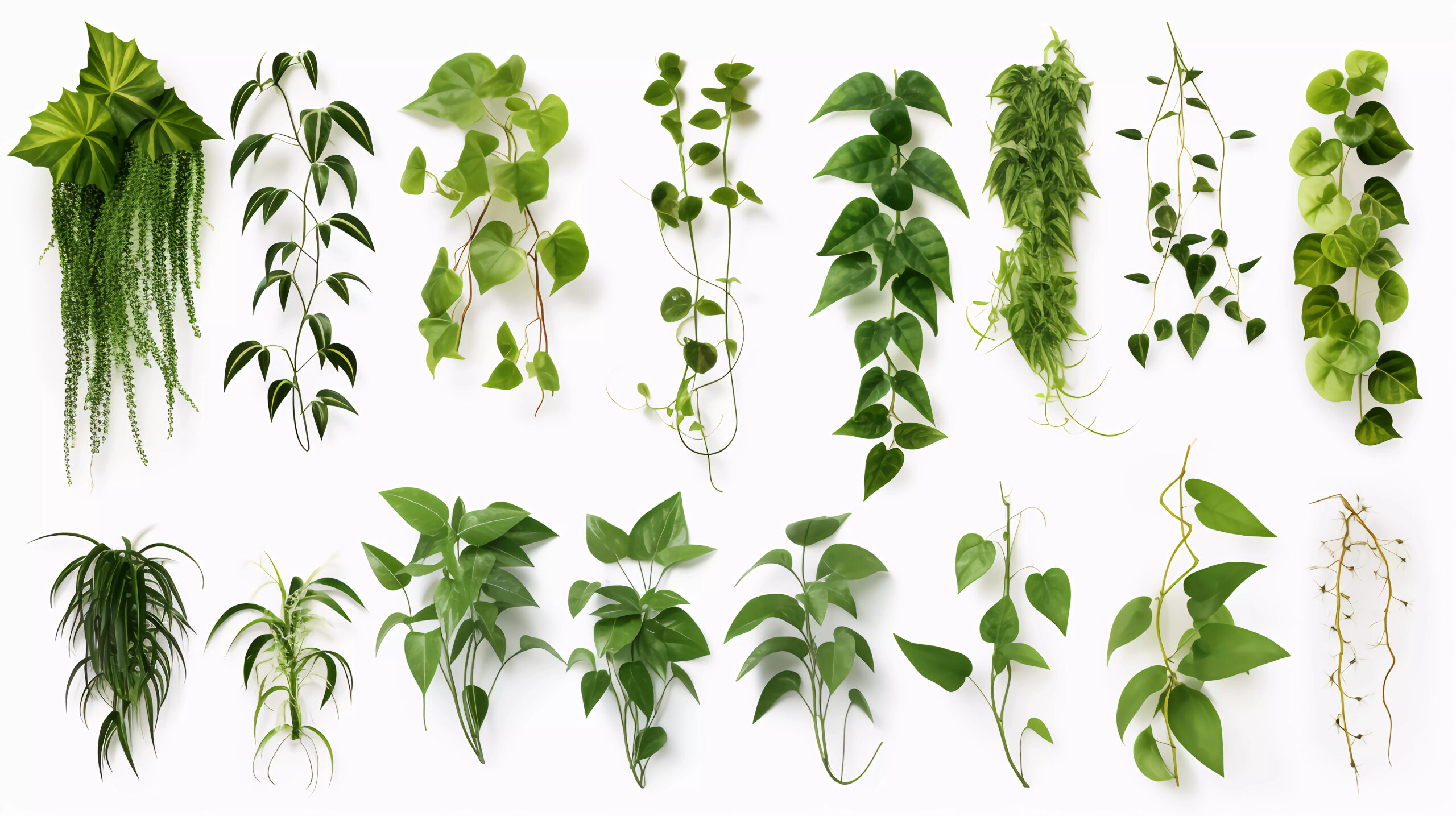
Philodendron is an immense and morphologically diverse genus containing more than 600 accepted species of flowering, evergreen, herbaceous perennial plants nested within the arum family, Araceae. Distinctly characterized by their remarkable growth variations, these neotropical wonders exist across rainforest canopies as scrambling secondary hemi-epiphytes, rock-dwelling epiliths, or ground-based terrestrial clusters. Because they produce thick, adventitious aerial roots that efficiently scale host trees and a stunning variety of leaf variations, Philodendron species are major structural components of tropical ecosystems. Globally, the genus is highly celebrated by horticulturists for its dramatic architectural foliage, rapid cultivation properties, and historical status as a foundational pillar of the global indoor plant industry.

The evolutionary success of these plants relies heavily on a dramatic morphological phenomenon known as leaf dimorphism. A single plant specimen will completely alter its leaf size, shape, and structure as it transitions from a creeping ground juvenile into an airborne, canopy-dwelling adult vine. This adaptive elasticity allows the genus to survive dense forest floor shadow layers before expanding into massive, multi-lobed canopy sails that dominate the forest understory. Due to this physical adaptability and high tolerance for ambient indoor humidity, they remain an enduring favorite for collectors looking to bring structural elegance into home designs.
Botanical History and Discovery
The genus Philodendron was formally established in 1829 by the Austrian botanist Heinrich Wilhelm Schott, who meticulously decoupled these climbing aroids from older, generic classifications. The generic name is derived directly from the combination of the Greek words philo, translating to “love or affection,” and dendron, which means “tree”—a literal reference to the plants’ evolutionary habit of scaling and hugging host forest tree trunks. For generations following Schott’s initial taxonomic descriptions, field collection records were mostly restricted to a handful of easily accessible Caribbean and coastal South American specimens. However, the late 20th and early 21st centuries saw a massive surge in remote expeditions across the Amazon basin and Andean slopes, revealing hundreds of highly localized endemic species and completely shifting contemporary scientific mapping of neotropical biodiversity.

100 Recognized Species of Philodendron
The following alphabetical index details accepted species and recognized taxons belonging to this genus, listed cleanly by specific epithet to prevent keyword optimization overcrowding:
- acreanum
- acutatum
- alliodorum
- altomayoense
- amargalense
- amazonense
- angustisectum
- atabapoense (Highly sought-after collector species)
- aurantiifolium
- barrosoanum
- bernardopazii
- billietiae (Famous orange-petiole species)
- bipennifolium
- bipinnatifidum (Widely grown tree-like species)
- bogotense
- brandtianum (Popular silver-leaf variety)
- brevispathum
- burle-marxii (Massively popular landscape variety)
- calophyllum
- camposportoanum
- cannifolium
- cataniapoense
- chinchamayense
- clandestinum
- cordatum
- crassinervium
- crassum
- cruentum
- davidsonii
- decumanum
- deltoideum
- distans
- domesticum (The popular Spade-leaf variety)
- dunstervilleorum
- dussii
- erubescens (Foundational species behind ‘Pink Princess’)
- esmeraldense
- eximium
- fenzlii
- fibrillosum
- flavidum
- fragrantissimum
- giganteum (Massive-leaf variety)
- gigas (Popular velvet giant variety)
- glanduliferum
- glaziovii
- gloriosum (Iconic velvety crawling species)
- goeldii
- grazielae (Popular heart-leaf collector variety)
- guianense
- guttiferum
- hastatum (Famous ‘Silver Sword’ variety)
- hederaceum (The ubiquitous Heartleaf species)
- heterophyllum
- hylaeae
- imbe
- incanum
- insigne
- joepii (Famous rare structural variety)
- juruense
- karstenianum
- lacerum
- latilobum
- lechlerianum
- leyenii
- linnaei
- longilaminatum
- lupinum
- lynamii
- macroglossum
- mamei (Popular silver-cloud crawling variety)
- maroniense
- mayoi (Highly desired deeply lobed species)
- melanochrysum (Famous ‘Black Gold’ velvet variety)
- melinonii
- mexicanum
- micans (Velvet-leaf favorite houseplant)
- nanegalense
- nhandgenericum
- opacum
- ornatum
- pachyphyllum
- paraisoense
- pastazanum (Popular ribbed-leaf crawler)
- patriciae
- pedatum (Widely cultivated oak-leaf variety)
- pinnatifidum
- plowmanii (Highly collectible ruffled-petiole variety)
- pogoniAtum
- pterotum
- pulchrum
- radiatum
- rojoense
- rugosum (Famed ‘Pigskin’ textured variety)
- sagittifolium
- scandens
- sodiroi (Popular silver-patterned climber)
- spiritus-sancti (The ultimate holy grail collector species)
- squamiferum (Famous fuzzy-petiole species)
- verrucosum (Highly popular hairy-stem velvet species)
Special Biological Adaptation
One of the most fascinating evolutionary adaptations unique to this genus is the presence of highly advanced thermogenic inflorescences. During the blooming cycle, the specialized cells packed inside the central, fleshy spadix spike initiate a rapid metabolic burn of stored lipids and carbohydrates, causing the internal tissue temperature to spike up to 12°C (22°F) above the ambient rainforest air. This physical heating process triggers a highly efficient chemical evaporation, sending dense, specialized pheromone scent plumes cutting far across the forest canopy to signal local wildlife.

This heat engine serves a vital role in an intricate, symbiotic wild pollination relationship. The warmth and yeasty odor specifically attract giant night-flying Dynastine scarab beetles, providing them with a warm, high-energy mating sanctuary away from the chilly jungle night. As beetles crawl into the bottom chamber of the rigid, protective spathe leaf, the plant mechanically adjusts its structure, temporarily trapping the insects inside for roughly 24 hours. Safe within this temporary thermal incubator, the beetles feed on specialized sterile flowers, completely coating themselves in sticky pollen grains before the spathe relaxes the following evening to let them fly off to the next receptive wild bloom.
Ethnobotany, Human Use, and Regional Significance
Throughout the tropical lowlands of the Americas, these robust plants share an enduring historical relationship with regional indigenous human tribes. In the vast Amazon and Orinoco basins, the exceptionally long, cord-like aerial roots that drape downwards from mature canopy climbers are systematically harvested by forest foragers. These hanging fibers are stripped of their slick bark, soaked in river water to enhance pliability, and processed into structural tie-downs used to lash together forest dwellings, hunting blinds, and heavy-duty utility baskets. The high tensile strength and natural fungal resistance woven into the root tissues ensure these hand-crafted tools survive the extreme moisture of the rainforest floor without rotting away.

Looking past structural design, the genus serves an important biochemical purpose in traditional regional cultures. Several indigenous hunting groups extract the thick, milky, sticky sap from bruised stalks to process complex natural fishing mixtures. When poured into slow-moving river eddies, the active chemical compounds temporarily stun local river fish, causing them to float peacefully to the water’s surface for easy, non-toxic community foraging. Additionally, precise topical rub preparations of the starchy sap are utilized in traditional medicine lineages to soothe skin irritations and counter external parasites, showcasing the complex ways native human populations unlock the hidden botanical defenses of their jungle surroundings.
Frequently Asked Questions
Members of this genus require bright, filtered light and warm ambient temperatures above 18°C (65°F) to fuel their cell division, meaning they will enter a defensive dormancy if conditions are too dark or cold. Stagnation can also stem from severely compacted root systems trapped in depleted potting mixes that lack necessary nitrogen nutrients. To break this growth plateau, reposition the container closer to a bright, indirect eastern window and refresh the soil layer with a highly aerated, organic peat mixture.
Yes, you can transition these plants into an outdoor environment during warm summer months, provided they are placed under strict shadow parameters that shield them from raw noon sunlight. A covered patio with a northern or deep eastern orientation is mandatory to prevent direct rays from instantly blistering the glossy leaf surfaces. Keep a close eye on changing seasonal shifts and respect a strict autumn warning: move the entire collection back inside before evening temperatures drop below 13°C (55°F) to avoid irreparable root chill.
You should clean the large foliage surfaces by gently wiping them down using a lint-free microfiber cloth saturated with lukewarm rainwater or a mild, diluted soap mixture. This step quickly strips away indoor dust blankets that mechanically smother the leaf and limit healthy light absorption. Never apply commercial shine oils or aerosol leaf polishes to these plants, as these synthetic gloss layers create a sticky, suffocating skin that permanently seals the delicate stomata breathing pores.
No, the entire genus is strictly classified as hazardous and holds a toxic safety warning for households keeping cats and dogs. According to clinical emergency database records, the leaves and stems are densely lined with needle-sharp insoluble calcium oxalate crystals. If a curious pet bites into the tissue, these microscopic needles pierce the mouth lining, causing immediate oral swelling, intense drooling, visible foam, and painful gastrointestinal distress.
Citations and References
- North Carolina State University Extension: Comprehensive generic data profiles highlighting visual morphology, arum family traits, and indoor toxicological warnings. NCSU Plant Toolbox: Philodendron
- Plants of the World Online (Royal Botanic Gardens, Kew): Official international taxonomic registry detailing accepted specific epithets, geographic distributions, and global nomenclature changes. Kew Science: Philodendron Schott Genus Profile
- International Aroid Society: Academic research publishing taxonomic revisions, field identification updates, and ecological observations within the family Araceae. International Aroid Society: Aroid Genus Analyses
- ASPCA Animal Poison Control: Clinical animal safety registry confirming internal crystal actions, toxic profiles, and emergency ingestion symptoms for domestic pets. ASPCA: Philodendron Pet Safety Database