

Plant Overview
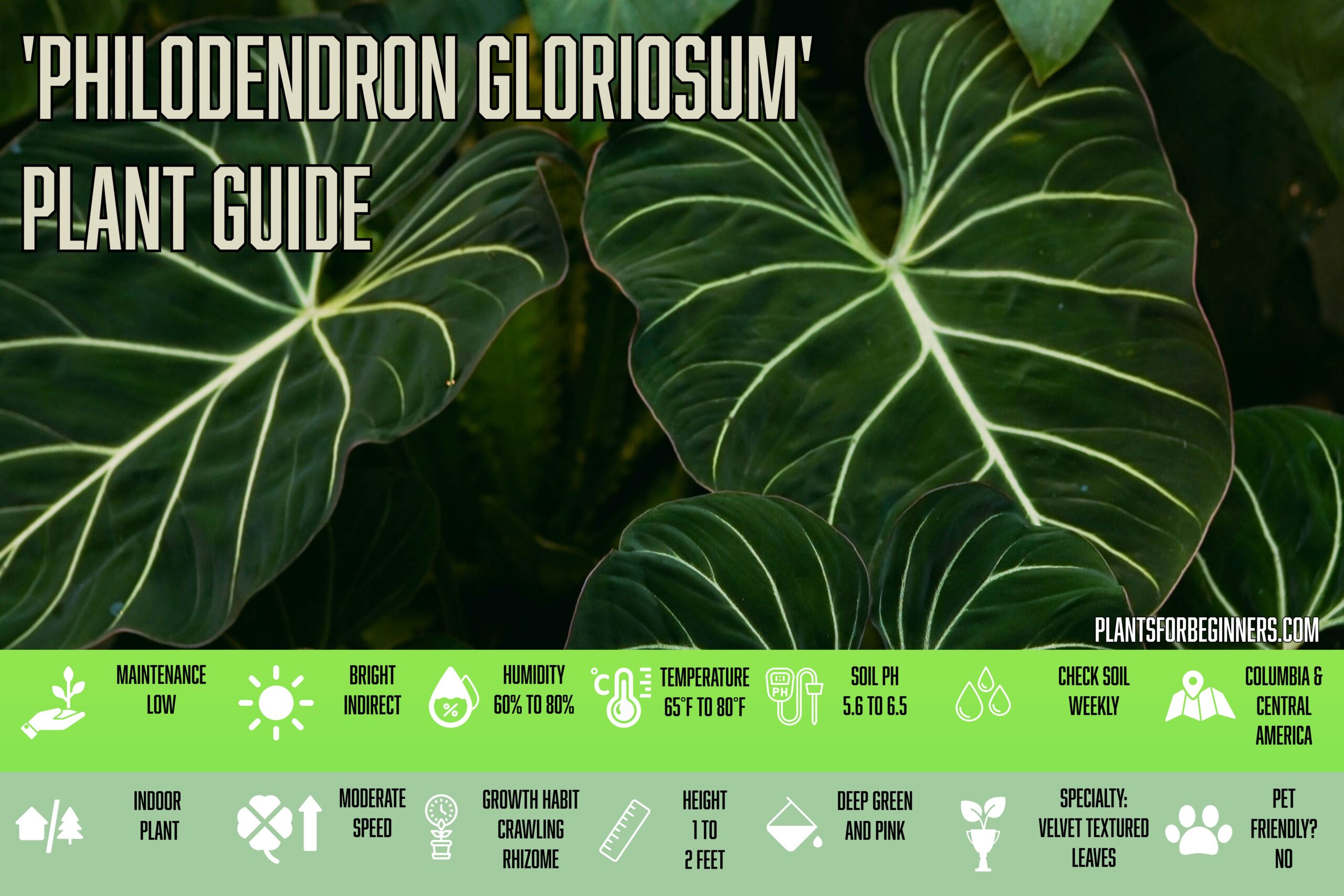
The creeping philodendron presents magnificent, cordate velvety leaves adorned with stark, luminous white veins and pale pink margins along young petioles. The horizontal crawling growth habit showcases wide, deep green foliage that introduces a lush tropical architecture into interior residential rooms. Cultural heritage plays a significant role in how indigenous communities traditionally utilized related species within local landscapes and daily rituals. This exotic specimen serves as a fantastic choice for collectors who appreciate tactile foliage and dramatic contrast. Its inherent biological adaptation allows it to flourish indoors when shielded from extreme environmental swings.
The plant originates in tropical rainforest floors and lower organic layers where its terrestrial crawling nature evolved to creep across decaying logs and humus-rich soil in filtered canopy light. This native evolutionary path shapes its structural versatility, allowing it to function as a striking wide-pot focal point or an architectural floor element in contemporary home designs. The introduction integrates historical context seamlessly into contemporary home decor trends.

Quick Facts
| Plant Metric | Profile Data |
| Binomial Plant Name | Philodendron gloriosum (Gloriosum) |
| Type | Foliage Houseplant |
| Genus | Philodendron |
| Pronunciation | fil-oh-DEN-dron |
| Meaning Behind Name | The genus name combines the Greek words philos meaning loving and dendron meaning tree, while gloriosum translates to glorious. |
| Nicknames | Gloriosum, Creeping Philodendron, Velvet Leaf Philodendron |
| Commonly Confused With | Philodendron micans, which has smaller, trailing velvet leaves rather than large crawling heart-shaped foliage. |
| Variants of Plant | Philodendron gloriosum ‘Dark Form’, Philodendron gloriosum ‘White Vein’ |
| Hybrid | No, this is a distinct species native to tropical habitats. |
| Temperature | 65°F to 80°F (18°C to 27°C) |
| Light | Bright, indirect light to protect soft surface cells |
| Watering | Allow the top two inches of substrate to dry before applying moisture |
| Humidity | 60% to 80% ambient relative humidity |
| Soil pH | 5.6 to 6.5 |
| Blooming Season | Rarely blooms indoors |
| Lifespan | 5 to 10 years or more with proper environmental control |
| Growth Speed | Moderate rate spreading horizontally via surface stems |
| Pet Friendly | No (Toxic containing insoluble calcium oxalate crystals) |
Native Climate (Indoor Placement)
The evolutionary background of the creeping philodendron is deeply rooted in the warm, humid understories of Central and South American rainforests where dappled sunlight filters through dense tree canopies. This natural setting taught the plant to utilize bright, indirect light efficiently, setting up exactly why placement is critical to prevent foliage damage or stress. Proper placement ensures that the delicate velvet texture receives adequate energy without suffering from harsh sunburn or fading due to extreme darkness.
- Window Orientation: East-facing or bright north-facing windows provide the ideal exposure without scorching the sensitive velvet leaf surfaces.
- Deep Room Placement: The wide container can reside up to five feet away from a bright light source if supplemented by a dedicated grow light.
- Temperature Ranges: Active seasonal household growth thrives consistently between 65°F and 80°F (18°C to 27°C).
- Winter Minimums: The absolute baseline temperature threshold is 60°F (15°C) before cellular frost damage occurs.
- Draft Warnings: Avoid household locations near heating vents, air conditioning paths, or drafty entryways.
Care & Seasonal Maintenance ( Water & Light)
Hydration for this species relies entirely on a unique metabolic clock that fluctuates depending on ambient indoor temperatures and light exposure. Fixed calendar watering routines fail because the physical tissue cells of the leaves process moisture based on active transpiration rates rather than arbitrary schedules. Monitoring the actual soil dryness prevents overwatering and ensures the root system maintains optimal oxygen levels. Deep, structural drenches mirror natural tropical downpours and prompt the plant to establish resilient, localized root networks. Pour water thoroughly through the potting medium until it drains freely from the bottom holes, then discard any excess liquid collected in the saucer. This practice flushes out accumulated mineral salts and refreshes the root zone completely.

Lighting Thresholds for Philodendron Gloriosum
Healthy foliage displays vibrant, high-contrast dark green leaves and glowing white veins under optimal bright, indirect light conditions. Light starvation causes the striking venation to fade as the plant attempts to compensate for reduced energy absorption. Conversely, extreme midday sun scorching creates crisp, brown patches across the delicate velvet leaf tissue.
Seasonal Adjustments for Philodendron Gloriosum
- Spring and Summer (Active Growth): Water thoroughly whenever the top two inches of soil feel dry, and apply a balanced liquid houseplant fertilizer diluted to half-strength every four weeks.
- Autumn and Winter (Dormancy): Reduce watering frequency as ambient light contracts, and halt all fertilization completely until spring returns.
Repotting Guide (Step by Step)
The root network of this crawling grower expands steadily, typically requiring a container upgrade every twenty-four months during early spring into a wider rectangular planter. Restraint is required when choosing to disturb the plant because frequent container adjustments can stall or shock leaf production. Allowing the roots to become slightly settled before moving up one pot size encourages stronger structural development.
Aerated Soil Mix Matrix for Philodendron Gloriosum
Standard heavy potting dirt suffocates this specific plant’s roots by retaining too much moisture, so a custom aerated mix is essential:
- Orchid Bark: Organic base and anti-compaction agent providing structural support.
- Perlite: Essential drainage and structural aeration for delicate roots.
- Sphagnum Moss: Natural moisture retention and organic nutrients.

How to Repot Your Philodendron Gloriosum
Early spring represents the best calendar season to handle repotting to maximize seasonal recovery windows.
- Select a wide rectangular container that is one size larger than the current pot, ensuring it features adequate drainage holes, and gently slide the root ball out of its existing vessel.
- Tease apart tightly wound root strands with your fingers and gently comb away old, compacted substrate to encourage new root branching.
- Inspect the root system carefully, using sterilized shears to trim away any dead or mushy tissue before preparing the base structural alignment.
- Add a fresh layer of the custom aerated soil mix to the bottom of the new pot, center the plant, and fill the side cavities safely without compacting air pockets.
- Provide post-repot baseline care by watering lightly to settle the soil, placing the plant in a recovery zone with high humidity, and pausing all fertilization for six weeks.
Propagation Guide (Step by Step)
This species propagates through stem cuttings because its horizontal crawling growth habit generates clear node junctions along the surface stem over time. Standard multiplication paths require patience due to the horizontal growth pattern of the rhizome network. Utilizing these natural growth structures allows growers to build new independent plants from established creeping stems safely.
Method 1: Rhizome/Stem Node Division for your Philodendron Gloriosum (Fastest Results)
Dividing active crawling sections provides a reliable way to multiply your collection while keeping the main plant healthy and compact.
- Isolate a healthy crawling stem section that includes at least one visible node and aerial root, making a clean cut with sterilized shears.
- Allow the cut end to air-dry and callus over for a few hours to prevent bacterial rot during initial rooting.
- Place the cutting horizontally into a propagation tray filled with moist sphagnum moss or perlite.
- Maintain high humidity levels by covering the container with a clear humidity dome while providing bright, indirect light.
- Monitor the node weekly until new shoots emerge, then transplant the rooted section into a standard aerated soil mix.

Method 2: Node Layering for your Philodendron Gloriosum (The Patient Approach)
Node layering propagation offers an alternative method for multiplying older specimens that have developed extended surface stems.
- Locate a healthy node along the creeping stem while it remains attached to the primary root system.
- Apply rooting hormone to the exposed node and press it gently into a small cup of damp sphagnum moss placed beside the main pot.
- Secure the stem in place with a small pin to ensure constant contact between the node and the moist moss substrate.
- Mist the moss regularly to maintain high moisture levels while the node develops an independent root system over several weeks.
- Sever the newly rooted section from the mother plant once robust roots are visible, then transplant it into its own individual container.
Common Pests (Identification & Treatment)
Physical makeup displays stress quickly through color shifts and leaf texture changes that act as early warning signals. Decoding these visual alerts early acts as an emergency firewall protecting the subterranean roots and central core from long-term collapse. Maintaining clean foliage and proper ambient airflow prevents most common indoor infestations before they multiply.
Philodendron Gloriosum: Visual Symptom Table
| What You See | The Underlying Issue | The Instant Fix |
| Crispy tips | Low ambient relative humidity | Group plants together or run a cool-mist humidifier nearby |
| Yellow foliage | Overwatering or compacted soil | Allow soil to dry out completely and improve drainage |
| Straw-colored patches | Excessive direct sunlight | Move the container back into shaded, indirect light |
| Vertical cracks | Inconsistent watering patterns | Establish a steady and predictable hydration routine |
| Fine speckling | Spider mite feeding damage | Wipe leaves down thoroughly with insecticidal soap |

Identification & Treatment of Key Pests of Philodendron Gloriosum
Regular foliage maintenance patterns ensure early insect mitigation, and low-impact organic controls protect delicate leaf surfaces from chemical damage.
Spider Mites: These tiny arachnids thrive in warm, dry indoor conditions, spinning fine webs and draining individual leaf cells to cause stippling.
- The Fix: Wash the foliage thoroughly under lukewarm water and apply organic neem oil spray to all leaf surfaces every seven days.
Scale Insects: These stationary pests anchor along stems and leaf veins, secreting sticky honeydew while draining vital plant sap.
- The Fix: Apply 70% isopropyl rubbing alcohol directly to individual scales using a cotton swab to dissolve their protective outer shells.
Mealybugs: These cottony white insects nest within tight node layers and leaf joints, stunting seasonal growth spikes.
- The Fix: Wipe down all nesting crevices using a cloth dampened with a mild insecticidal soap solution.
Tools & Gear (Recommendations)
Standard household cutting tools or generic planting soils crush or damage this delicate species, making specialized accessories essential for long-term health. Investing in durable, targeted accessories ensures smooth pruning wounds and fast healing timelines across your collection.
- Precision Pruning Shears: The sharp stainless steel blades operate smoothly, protecting the plant from bruising or branch dieback during trimming sessions.
- Chunky Orchid Bark Aggregate: This specialized soil mix ingredient avoids compaction and guarantees continuous oxygen pathways to the root cells.
- Wide Rectangular Planter: The structural asset features reliable drainage benefits and a wide surface profile that accommodates horizontal crawling stems.
- Digital Soil Moisture Meter: This technical measurement asset removes user guesswork by verifying exact interior soil column moisture deep down.
Frequently Asked Questions for Philodendron Gloriosum (FAQ)
FAQ
Inadequate lighting or an undersized pot often restricts the natural crawling growth rate of this species. Provide bright indirect light and ensure the container offers enough horizontal surface area for the creeping rhizome to expand.
You can place it outdoors in a fully shaded patio location during warm weather. Ensure temperatures remain consistently above 65°F and bring the plant indoors well before autumn night temperatures drop.
Gently brush dust off using a soft-bristled makeup brush or wipe carefully with a damp microfiber cloth. Avoid using commercial leaf shine oils because they damage the delicate velvet texture and clog breathing pores.
No, this plant is toxic to household pets. According to the ASPCA database, ingestion of any plant part leads to intense oral irritation, drooling, and difficulty swallowing due to calcium oxalate crystals.
References (Citations)
Expand
Royal Botanic Gardens Kew: Complete taxonomic tracking, geographical documentation, and distribution updates are officially verified by the Royal Botanic Gardens, Kew Plants of the World Online Database.
University of Florida Extension: Temperature parameters, environmental thresholds, and growth adjustment guidelines are certified by the University of Florida Extension horticultural publications.
Missouri Botanical Garden: Indoor pest management sequences, lifecycle tracking, and diagnostic workflows are supported by the Missouri Botanical Garden plant care center.
ASPCA Animal Poison Control Center: Animal safety classifications and toxicology logs validating pet consumption risk levels are certified via the ASPCA Toxic and Non-Toxic Plants Database.