
Index

Plant Overview
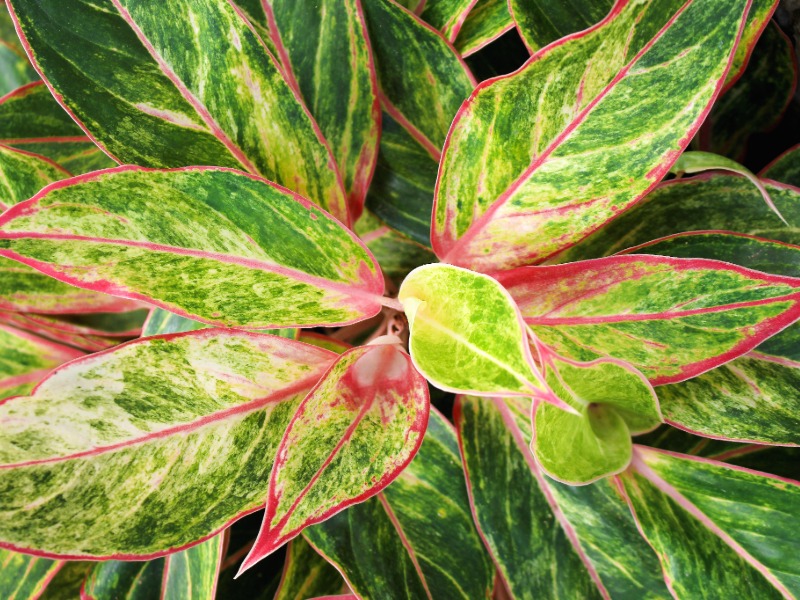
The Chinese Evergreen showcases an eye-catching growth form highlighted by patterned, lanceolate leaves displaying various tones of green, silver, and crimson. Thick stalks uphold this dense canopy, delivering a full profile suited for interior arrangements. This specimen suits beginning indoor growers due to its capacity to endure subdued illumination and missed watering intervals. Its rugged constitution and striking visuals guarantee lasting popularity across home environments.

Historically appreciated across Eastern traditions as a symbol of prosperity, the species integrates smoothly into contemporary interior architecture. The historical context underscores its adaptability as a prominent floor specimen or a compact tabletop accent. It blends effortlessly into minimalist, modern, and botanical design schemes. Furthermore, its reliable performance ensures consistent aesthetic appeal even within interior areas lacking direct sunlight exposure.
Quick Facts
| Plant Metric | Profile Data |
| Binomial Plant Name | Aglaonema commutatum (Chinese Evergreen) |
| Type/ Category | Foliage Houseplant |
| Genus | Aglaonema |
| Pronunciation | ag-lee-oh-NEE-muh kom-yoo-TAY-tum |
| Meaning Behind Name | Formed from Greek roots denoting brightness and threading threads, highlighting stamens. |
| Nicknames | Chinese Evergreen, Philippine Evergreen |
| Commonly Confused With | Dieffenbachia seguine (Dumb Cane), featuring comparable variegated leaf patterns but distinct toxicity profiles. |
| Variants of Plant | Aglaonema Silver Queen, Aglaonema Red Siam, Aglaonema Maria |
| Plant Companions | Sansevieria, Calathea, Philodendron |
| Hybrid | Yes, modern cultivars represent complex breedings targeting distinct silver and pink expressions. |
| Maintenance Level | Low Maintenance |
| Temperature | 65°F to 85°F (18°C to 29°C) |
| Light | Low to moderate, indirect illumination |
| Watering | Let the upper half of the growing medium dry out completely between irrigation sessions. |
| Humidity | 40% TO 60% |
| Soil pH | 5.6 TO 6.5 |
| Hardiness level Growing Zone | USDA Zones 10 to 12 |
| Blooming Season | Seldom flowers indoors, occasionally producing small arum inflorescences during warm months. |
| Lifespan | 5 to 10 years or greater with proper interior maintenance |
| Growth Speed | Gradual, putting out several inches of vertical development yearly. |
| Edible | No, tissues contain compounds harmful upon consumption. |
| Pet Friendly | No (Harmful to domestic animals, leading to intense oral irritation, swelling, and excessive drooling). |
| Regions of World Found | Tropical and Subtropical Southeast Asia |
Native Climate & Indoor Placement
Stemming from tropical and subtropical Asian forests, this flora developed under thick overhead foliage where direct sun rays rarely penetrate. This natural environment trained the species to maximize filtered light and moisture, dictating ideal indoor positioning to safeguard sensitive leaf cells. Replicating these foundational parameters indoors prevents leaf scorch and root degradation.

Window Orientation: North or east exposure delivers appropriate gentle illumination, though specimens can thrive further back from southern or western windows.
Deep Room Placement: Containers can inhabit dim interior hallways or offices successfully when paired with supplementary grow fixtures.
Temperature Ranges: Optimal seasonal development occurs within a steady thermal bracket of 65°F to 85°F (18°C to 29°C).
Winter Minimums: The critical lower thermal limit before cold injury occurs sits around 55°F (13°C).
Draft Warnings: Protect plants away from heating registers, cooling ducts, exterior entryways, and chilly glass panes.
Care & Seasonal Maintenance
Comprehending the natural cycles of the species avoids frequent cultivation errors. Standardized calendar irrigation schedules often fail because indoor climates and light levels shift moisture evaporation rates. The cellular structure of the foliage stores hydration effectively, communicating moisture needs through subtle alterations in leaf rigidity.
Thorough, saturating irrigation cycles simulate heavy tropical downpours and form the foundation of proper watering practices. This technique encourages plants to develop deep, robust root systems rather than shallow surface structures. Allowing drainage holes to clear excess liquid prevents mineral salt accumulation and maintains proper oxygen levels around subterranean tissues.

Lighting Thresholds for Aglaonema
Leaf appearance serves as an immediate indicator of plant health under prevailing environmental conditions. A thriving specimen displays glossy, rigid, well-colored foliage under balanced, indirect lighting. Inadequate illumination results in stretched stems and faded variegation, whereas excessive sunlight creates bleached, scorched spots on the blades.
Seasonal Adjustments for Aglaonema
- Spring and Summer (Active Growth): Provide moisture whenever the top soil layer feels dry, and supplement with half-strength liquid fertilizer every four weeks during active development.
- Autumn and Winter (Dormancy): Adjust care routines to match reduced light levels, decrease watering frequency, and suspend fertilizer applications entirely.
Step-by-Step Repotting Guide
Root expansion happens at a measured pace, meaning container upgrades are typically necessary only every few years. Avoid unnecessary disturbances, as frequent repotting can temporarily halt leaf production. Allowing plants to remain slightly root-bound promotes stability while preventing unnecessary damage to delicate root hairs.
Tropical Soil Mix Matrix for Aglaonema
Standard heavy garden soil retains excess moisture and suffocates roots, requiring a specialized porous blend instead:
- Ratio Part 1: Coconut coir or peat moss, functioning as the primary moisture-retentive base.
- Ratio Part 2: Perlite, offering crucial structural aeration and drainage capabilities.
- Ratio Part 3: Orchid bark, supplying chunky elements to prevent compaction.

How to Repot Your Aglaonema
Early spring provides the optimal window to execute container changes to capitalize on active seasonal recovery periods.
- Container Sizing: Choose a pot just one size larger using breathable materials like unglazed clay, and carefully ease the root ball from its current container.
- Root Manipulation: Examine the root system, gently untangling circling strands and clearing away old substrate.
- Root Pruning: Check for compromised or decaying tissue, trimming affected segments with sterilized shears.
- Base Layering: Add fresh substrate to the base of the new vessel, center the specimen, and fill perimeter gaps without packing the mix too tightly.
- Post-Repot Care: Water lightly to settle the mix, position the plant in indirect light, and withhold fertilizer for at least six weeks.
Step-by-Step Propagation Guide
Multiplying this vegetation relies on leveraging its natural stem segmentation and root structures. Underground rhizomes and visible node sections supply the necessary tissue points for generating new roots. Attempting propagation using single leaves without stem material will prove unsuccessful due to a lack of regenerative meristematic cells.
Method 1: Stem Cuttings (Fastest Results)
Utilizing stem sections yields dependable results and rapid expansion for collection building.
- Sourcing the Cut: Select healthy stems containing a minimum of two nodes and an active growing tip.
- Callusing: Allow the severed end to dry in the air for several hours to seal the tissue against moisture rot.
- Container Sizing: Prepare a small nursery pot filled with a loose propagation medium.
- Embedding: Push the cutting deep enough to secure the node, apply minimal initial moisture, and place it in a warm, protected spot.
- Tracking Growth: Test for root resistance after a few weeks to confirm successful anchoring.

Method 2: Rhizome Division (The Patient Approach)
Dividing mature clumps offers a reliable multiplication strategy during scheduled container upgrades.
- Isolating Tissue: Unpot the parent specimen and gently separate natural offsets from the main root mass.
- Preparation: Allow any minor root tears to dry briefly prior to potting.
- Substrate Positioning: Plant individual divisions into separate containers using tropical soil mix, ensuring stems remain at their original depth.
- Incubation Parameters: Keep ambient temperatures warm, humidity elevated, and lighting indirect while maintaining light moisture levels.
- Transition Sequences: Monitor for new foliage emergence before shifting the plant to standard maintenance routines.
Identification & Treatment of Common Pests
Physical traits change noticeably when environmental stress factors arise. Recognizing early warnings such as color fading or drooping helps protect the plant structure from severe decline. Frequent checks prevent minor pest issues from developing into major infestations.
Aglaonema: Visual Symptom Table
| What You See | The Underlying Issue | The Instant Fix |
| Crispy tips | Inadequate humidity or dry soil | Raise ambient moisture and modify watering habits |
| Yellow foliage | Excessive moisture or poor drainage | Inspect roots, remove decay, and allow soil to dry |
| Sun-bleached marks | Excessive direct sunlight | Move the container away from harsh window exposure |
| Stem splitting | Severe thermal swings | Relocate away from drafty vents or exterior doors |
| Fine stippling | Spider mite activity | Clean foliage thoroughly and apply insecticidal soap |

Identification & Treatment of Key Pests
Routine foliage upkeep aids early detection, while gentle organic solutions protect delicate leaf surfaces from chemical injury.
Spider Mites: Minute arachnids flourishing in warm, dry environments, feeding on cellular fluids and leaving fine webbing.
- The Fix: Rinse foliage thoroughly with mild soapy water and adjust surrounding humidity levels.
Scale Insects: Small, stationary pests with protective coverings that attach to stems and veins to extract plant sap.
- The Fix: Dab insects directly with isopropyl alcohol on a cotton swab to break down their protective shells.
Mealybugs: Cotton-like insects nesting in leaf axils, producing sugary secretions that hinder development.
- The Fix: Wipe affected crevices using diluted insecticidal soap or horticultural oil.
Recommended Tools & Gear
Standard household utensils or heavy generic soils can harm delicate plant parts. Utilizing purpose-built accessories ensures clean pruning cuts and healthy long-term development.
- Bypass Pruning Shears: Precision steel blades designed for clean cuts without crushing surrounding stem tissues.
- Custom Tropical Soil Mix: A specialized blend of perlite, bark, and coir designed to maintain oxygen flow around roots.
- Ceramic Drainage Planter: A stable container equipped with a drainage hole to prevent water pooling.
- Long-Reach Soil Moisture Meter: A diagnostic probe that assesses moisture levels deep within the root zone.

Frequently Asked Questions: Aglaonema
FAQ
Stalled development usually stems from low light or lack of nutrients. These species maintain moderate growth speeds indoors, but prolonged stagnation indicates a need for brighter indirect exposure or a balanced fertilizer application during warm months.
Outdoor placement is acceptable during warm summer periods. Position the container in a heavily shaded outdoor spot away from harsh winds, and return it indoors before temperatures fall below 55°F.
Wipe foliage gently with a damp microfiber cloth. Support the leaf underside while cleaning, and avoid commercial leaf polishes that interfere with natural gas exchange pores.
No, this species is harmful to pets. Per veterinary toxicological records, ingestion introduces calcium oxalate crystals that trigger severe oral discomfort and digestive upset.
Citations and References: Aglaonema
- Royal Botanic Gardens Kew Plants of the World Online: Complete taxonomic tracking, geographical documentation, and distribution updates are officially verified by the Royal Botanic Gardens Kew Plants of the World Online Database.
- University of Florida Extension: Temperature parameters, environmental thresholds, and growth adjustment guidelines are certified by the University of Florida Extension foliage plant guides.
- Missouri Botanical Garden: Indoor pest management sequences, lifecycle tracking, and diagnostic workflows are supported by the Missouri Botanical Garden plant care documentation.
- ASPCA Animal Poison Control Center: Animal safety classifications and toxicology logs validating pet consumption risk levels are certified via the ASPCA Toxic and Non-Toxic Plants Database.
Leave a Reply