

Plant Overview
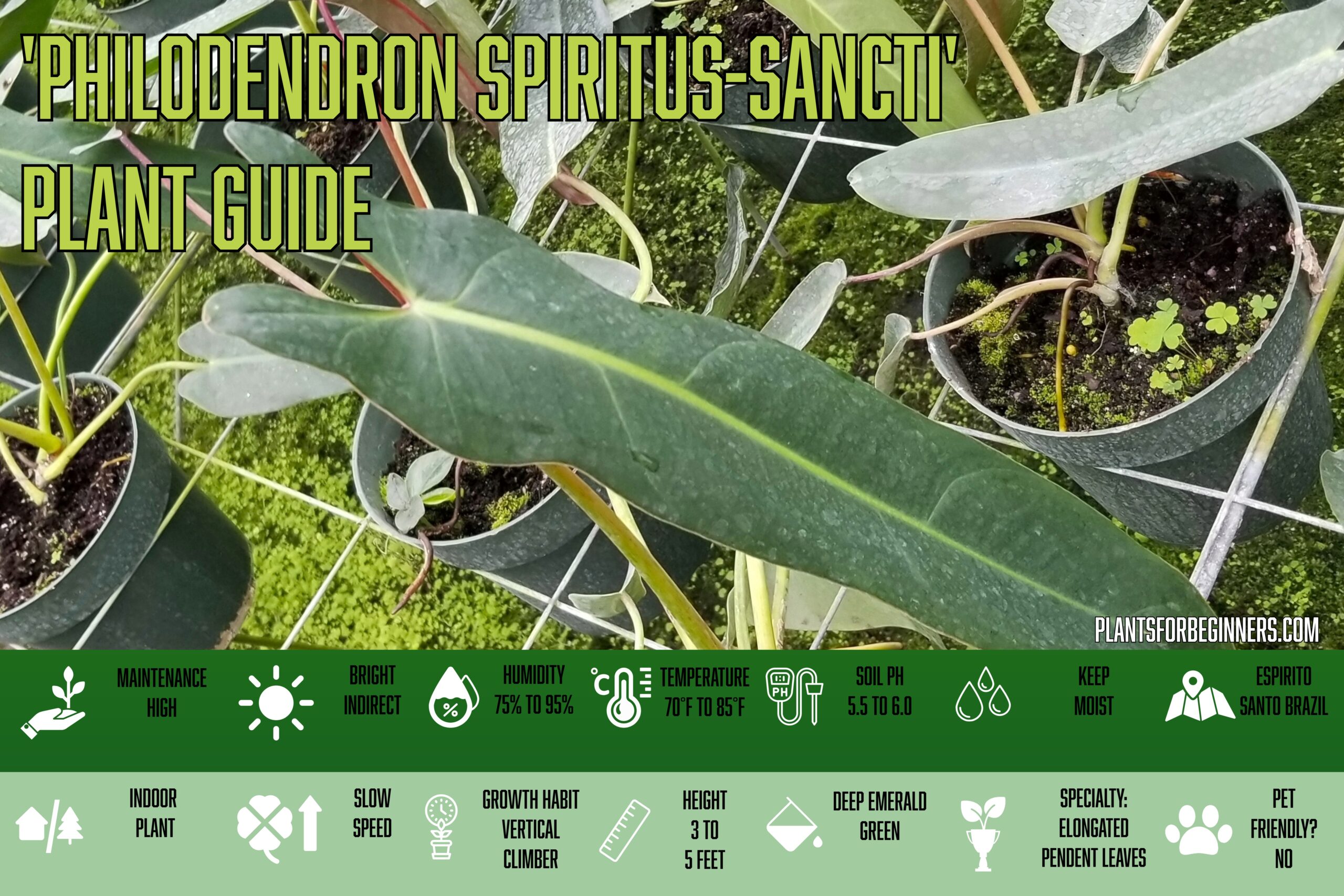
The holy ghost philodendron exhibits legendary, deeply pendant leaves shaped like narrow ribbons with extended, tapering tips that sweep dramatically toward the ground. The striking vertical climbing habit demands dedicated support structures, showcasing flawless dark green blades that command attention as an absolute centerpiece. Cultural heritage intertwines deeply with indigenous respect for the vanishing Atlantic Forest habitats where this botanical treasure evolved. This elite specimen satisfies elite collectors who treasure botanical rarity and architectural geometry. Its specialized biological requirements mandate a stable microclimate to thrive successfully indoors.
The plant originates in high-elevation cloud forests where its epiphytic nature adapted to cling onto vertical tree trunks amidst heavy mist and driving tropical rainfall. This native evolutionary path dictates its structural reliance on porous bark matrices, allowing it to function as a magnificent standalone showpiece in temperature-controlled glass cabinets or conservatories. The introduction integrates historical context seamlessly into contemporary home decor trends.

Quick Facts
| Plant Metric | Profile Data |
| Binomial Plant Name | Philodendron spiritus-sancti (Spirit Saint Philodendron) |
| Type | Rare Epiphytic Houseplant |
| Genus | Philodendron |
| Pronunciation | fil-oh-DEN-dron speer-ee-toos-SAHNK-tee |
| Meaning Behind Name | Named after the Brazilian state of Espírito Santo where this endangered botanical was discovered. |
| Nicknames | Holy Ghost Philodendron, Ribbon Plant, Spear Leaf |
| Commonly Confused With | Philodendron billietiae, which features distinct orange petioles instead of narrow green ribbon-like hanging blades. |
| Variants of Plant | Limited wild ecotypes and elite micropropagated tissue-culture selections |
| Hybrid | No, this is an endangered wild species native to Atlantic rainforest canopy pockets. |
| Temperature | 70°F to 85°F (21°C to 29°C) |
| Light | Filtered, bright ambient illumination avoiding harsh rays |
| Watering | Maintain consistent subsurface moisture without creating waterlogging |
| Humidity | 75% to 95% ultra-high relative humidity |
| Soil pH | 5.5 to 6.0 |
| Blooming Season | Extremely rare floral emergence under specialized indoor conditions |
| Lifespan | Decades with immaculate environmental management |
| Growth Speed | Unhurried pace producing specialized elongated foliage annually |
| Pet Friendly | No (Toxic due to insoluble calcium oxalate crystals) |
Native Climate (Indoor Placement)
Coastal Atlantic rainforests in southeastern Brazil provide the atmospheric humidity and dappled sunlight that shaped the fundamental biology of this elusive vine. Native environmental conditions rely on steady tropical warmth paired with heavy morning fog rather than scorching direct sunbeams. Replicating these protective woodland dynamics indoors prevents leaf scorch and keeps the delicate tissue hydrated.
- Window Orientation: Position the container near heavily filtered eastern windows or behind protective sheer window treatments.
- Deep Room Placement: Indoor spots lacking natural light require high-output horticultural LEDs mounted directly overhead to compensate.
- Temperature Ranges: Keep ambient thermometer readings locked steadily between 70°F and 85°F (21°C to 29°C).
- Winter Minimums: Never allow surrounding air to slip below 65°F (18°C) to prevent severe cold shock.
- Draft Warnings: Keep the container completely away from active forced-air heating ducts, drafty entryways, and oscillating fans.
Care & Seasonal Maintenance ( Water & Light)
Managing internal hydration mechanics requires analyzing how root cells take up moisture relative to surrounding vapor pressure. Because this canopy dweller lacks a hard dormancy period, its cellular metabolism continuously demands stable moisture without suffocating in stagnant mud. Fixed schedule watering schemes inevitably fail because home humidity and temperature fluctuate daily, altering how fast moisture evaporates from the chunky substrate.
Deep, structural irrigation cycles replicate torrential rainforest storms by flushing old air pockets out of the root zone and pulling fresh oxygen downward. Water the container until liquid streams freely from the bottom holes, ensuring every inch of the root ball achieves full saturation. Discard any standing saucer runoff immediately to protect the lower root anchor points from anaerobic rot.

Lighting Thresholds for Philodendron Spiritus-Sancti
Adequate light exposure drives the chemical reactions necessary to maintain the deep emerald tone and rigid posture of the ribbon-like leaves. When photon energy drops too low, the plant stretches weakly, loses its deep pigmentation, and stalls new leaf development entirely. Conversely, unfiltered afternoon sun delivers too much thermal radiation, instantly bleaching the chloroplastic layers and causing permanent scorch marks across the delicate tissue.
Seasonal Adjustments for Philodendron Spiritus-Sancti
- Spring and Summer (Active Growth): Provide thorough weekly hydration whenever the top surface substrate loses its damp sheen, coupled with a balanced liquid fertilizer diluted to one-quarter strength every three weeks to fuel slow, steady cellular expansion.
- Autumn and Winter (Dormancy): Lengthen watering intervals as ambient light hours decline and solar intensity drops, pausing all fertilizer inputs entirely until daylight returns in spring.
Repotting Guide (Step by Step)
Subterranean root growth happens at a very measured pace, meaning container upgrades are typically only necessary once every three years during the early spring awakening. Unnecessary root disturbance shocks the plant and can stall precious leaf production for months. Moving up just one pot size gives the root system adequate room without overwhelming the moisture balance of the media.
Epiphytic Soil Mix Matrix for Philodendron Spiritus-Sancti
Standard heavy garden soil retains too much moisture and suffocates these specialized roots, making a custom airy blend mandatory:
- Tree Fern Fiber: Organic moisture-holding matrix mimicking native tree bark textures.
- Horticultural Perlite: Aeration element ensuring oxygen reaches delicate subterranean roots.
- Chunky Orchid Bark: Structural component preventing compaction and maintaining excellent drainage channels.

How to Repot Your Philodendron Spiritus-Sancti
Springtime represents the ideal window to execute container transitions when natural recovery hormones run highest.
- Choose a narrow, deep nursery container that exceeds the previous pot size by just one increment and features ample bottom drainage slots.
- Gently extract the root mass from its old home, using your fingers to tease apart any encircling roots and dislodge spent soil.
- Examine the underground network thoroughly, snipping away any dead or soft sections using sterilized pruning blades.
- Layer fresh epiphytic soil mix across the base of the new pot, set the specimen securely in the center, and fill surrounding gaps gently.
- Settle the fresh media with a light drink of water, relocate the plant to a high-humidity recovery zone, and hold off on fertilizing for six weeks.
Propagation Guide (Step by Step)
Multiplication relies entirely on isolating viable stem sections because the climbing growth habit produces distinct nodes along the main woody vine over time. Executing these steps requires extreme care given the rarity and slow developmental pace of the mother plant. Utilizing these natural anatomical landmarks lets experienced growers successfully establish independent clones.
Method 1: Stem Cuttings for your Philodendron Spiritus-Sancti (Fastest Results)
Harvesting active vine segments offers a dependable path to expand a collection while maintaining the health of the primary specimen.
- Identify a healthy section of the main stem containing at least one robust node and an active aerial root, then make a clean cut using sanitized shears.
- Set the fresh cutting aside for several hours to let the wound callus over completely, blocking potential pathogens.
- Insert the prepared cutting upright into a propagation chamber filled with sterile, pre-moistened sphagnum moss.
- Seal the enclosure with a clear lid to lock in maximum relative humidity while maintaining bright, indirect ambient light.
- Check weekly for strong root development before transplanting the new specimen into an individual container filled with chunky aroid mix.

Method 2: Air Layering for your Philodendron Spiritus-Sancti (The Patient Approach)
Targeting established vertical stems while they remain attached to the root system provides a foolproof way to generate new growth without risking the mother vine.
- Pinpoint a healthy, active node positioned midway up the primary climbing stem.
- Pack a generous handful of damp sphagnum moss firmly around the target node, wrapping it securely with protective plastic sheeting and twine.
- Maintain interior moisture levels inside the moss pouch by injecting clean water using a blunt syringe whenever the media feels dry.
- Inspect the wrapping periodically until a dense network of healthy white roots fills the moss ball.
- Cut the main stem cleanly just below the newly developed root mass, then pot the independent clone into fresh substrate.
Common Pests (Identification & Treatment)
Physical stress manifests quickly across the foliage through sudden color fading, texture distortion, or spotting patterns. Catching these initial warning flags prevents minor infestations from spiraling into total systemic collapse. Maintaining pristine environmental cleanliness and steady airflow deters most indoor pests before they establish colonies.
Philodendron Spiritus-Sancti: Visual Symptom Table
| What You See | The Underlying Issue | The Instant Fix |
| Tip necrosis | Extreme low atmospheric humidity | Enclose plant near a humidifier or custom display cabinet |
| Chlorotic lower leaves | Saturated root zone or nutrient lock | Withhold water until dry and flush mineral buildup |
| Bleached lamina | Direct, harsh solar exposure | Relocate container to a heavily diffused lighting zone |
| Stem collapse | Bacterial soft rot from over-watering | Excise infected tissue immediately and apply cinnamon |
| Webbed undersides | Active spider mite colonization | Clean foliage thoroughly using insecticidal soap spray |

Identification & Treatment of Key Pests of Philodendron Spiritus-Sancti
Regular inspection habits catch unwanted insects early, while gentle organic treatments safeguard the vulnerable leaf surfaces from chemical burns.
Spider Mites: These tiny arachnids thrive in warm, dry indoor conditions, spinning fine webs and draining individual leaf cells to cause stippling.
- The Fix: Wash the foliage thoroughly under lukewarm water and apply organic neem oil spray to all leaf surfaces every seven days.
Scale Insects: These stationary pests anchor along stems and leaf veins, secreting sticky honeydew while draining vital plant sap.
- The Fix: Apply 70% isopropyl rubbing alcohol directly to individual scales using a cotton swab to dissolve their protective outer shells.
Mealybugs: These cottony white insects nest within tight node layers and leaf joints, stunting seasonal growth spikes.
- The Fix: Wipe down all nesting crevices using a cloth dampened with a mild insecticidal soap solution.
Tools & Gear (Recommendations)
Standard household scissors and generic potting soil will crush or damage this prized specimen, making purpose-built accessories necessary for long-term survival. Equipping yourself with professional-grade gear guarantees clean pruning cuts and rapid recovery cycles across your rare plant collection.
- Japanese Bonsai Shears: The ultra-sharp carbon steel blades deliver immaculate cuts, protecting fragile stem tissues from bruising during propagation.
- Premium Tree Fern Substrate: This specialized organic medium replicates native South American forest floors, providing unmatched drainage and aeration.
- Sturdy Moss Totem Pole: The structural asset offers reliable vertical support, encouraging natural climbing habits and larger mature leaf development.
- Bluetooth Soil Moisture Probe: This technical measurement asset removes user guesswork by verifying exact interior soil column moisture deep down.
Frequently Asked Questions for Philodendron Spiritus-Sancti (FAQ)
FAQ
This species naturally exhibits an unhurried growth habit combined with high energy demands for its elongated leaves. Ensure your environment provides stable tropical warmth, high humidity, and proper light to support steady development.
You can place it outdoors in a fully shaded patio location during warm weather. Ensure temperatures remain consistently above 70°F and bring the plant indoors well before autumn night temperatures drop.
Gently brush dust off using a soft-bristled makeup brush or wipe carefully with a damp microfiber cloth. Avoid using commercial leaf shine oils because they damage the delicate texture and clog breathing pores.
No, this plant is toxic to household pets. According to the ASPCA database, ingestion of any plant part leads to intense oral irritation, drooling, and difficulty swallowing due to calcium oxalate crystals.
References (Citations)
Expand
Royal Botanic Gardens Kew: Complete taxonomic tracking, geographical documentation, and distribution updates are officially verified by the Royal Botanic Gardens, Kew Plants of the World Online Database.
University of Florida Extension: Temperature parameters, environmental thresholds, and growth adjustment guidelines are certified by the University of Florida Extension horticultural publications.
Missouri Botanical Garden: Indoor pest management sequences, lifecycle tracking, and diagnostic workflows are supported by the Missouri Botanical Garden plant care center.
ASPCA Animal Poison Control Center: Animal safety classifications and toxicology logs validating pet consumption risk levels are certified via the ASPCA Toxic and Non-Toxic Plants Database.